

Turning Clinical Trial Requirements into Practical Implementation
On July 24, 2026, Micron hosted a roundtable discussion on theranostics clinical trials at its Osaka office.
For an overview of the event, please see our event report
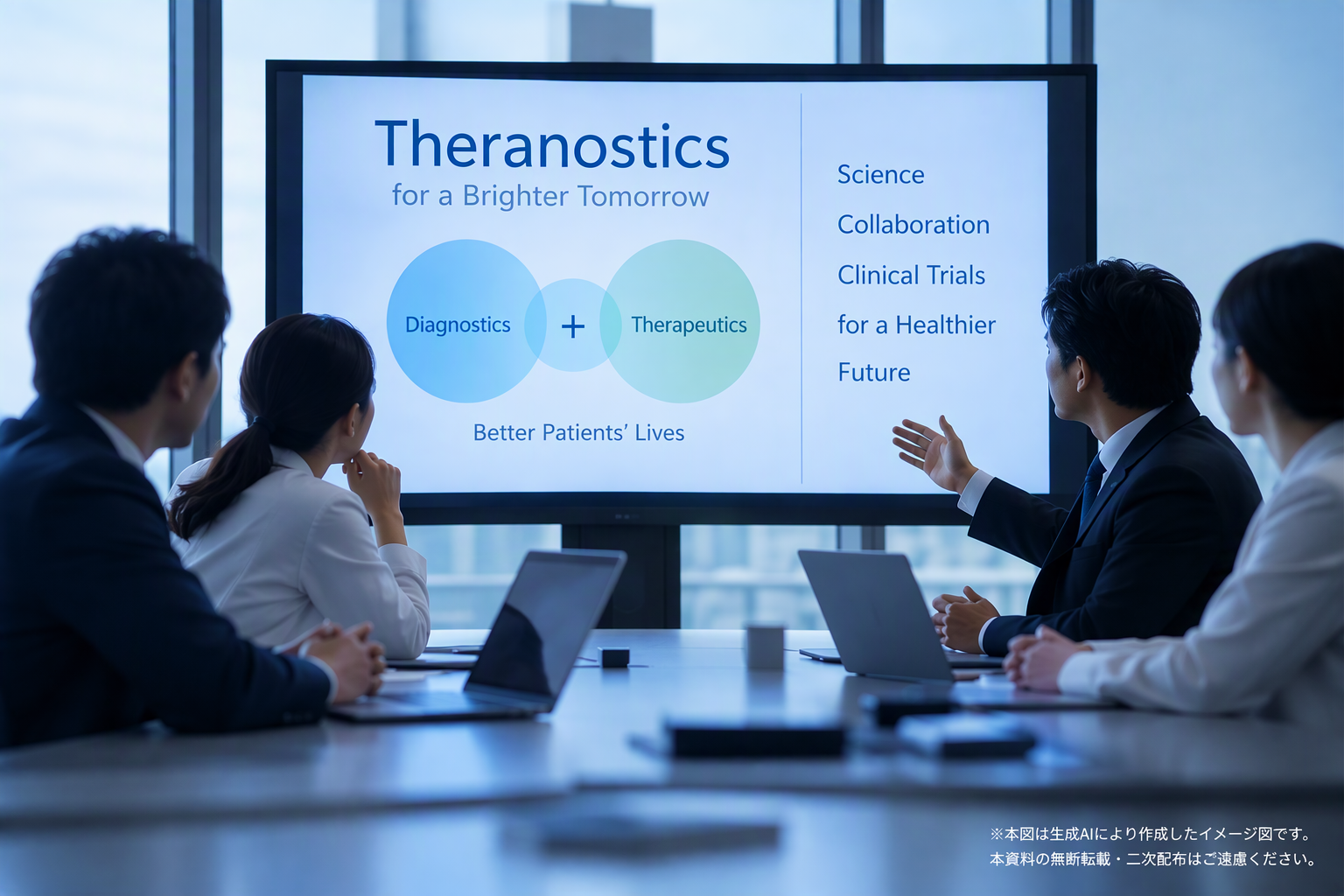
Building on this roundtable discussion, this article outlines both the practical challenges Micron considers important when conducting theranostics clinical trials and approaches that may help facilitate their implementation.
Facility Capabilities Alone Do Not Determine Trial Feasibility
Clinical trials involving radiopharmaceuticals require consideration of a range of study-specific factors beyond those typically addressed in conventional clinical trials. Depending on the trial, these may include radiation safety management, radiopharmaceutical manufacturing and handling, as well as the operation of radionuclide therapy rooms or specially designated patient rooms.
Even at the same institution, requirements may vary depending on the radionuclide, investigational product, administered activity, manufacturing method, and on-site procedures. Trial feasibility therefore cannot be determined solely by the availability of PET equipment or radionuclide therapy rooms. It is essential to assess how the study protocol aligns with each site’s facilities, personnel, and operational capabilities.
Micron believes that clarifying these requirements early in site selection and study start-up can help minimize rework and support smoother trial implementation.
Reducing the Need to Start from Scratch for Every Trial
Starting a radiopharmaceutical clinical trial requires various documents and operational arrangements, including standard operating procedures (SOPs), temperature control, equipment inspections, drug management, and recordkeeping. At the same time, established standards and principles already exist for radiopharmaceutical manufacturing and quality control.
The key is to translate these existing standards and procedures into practical workflows tailored to the investigational product, protocol, and specific circumstances at each study site. Clearly defining site-specific responsibilities and documentation practices may reduce the burden of building operational arrangements from scratch for every new trial.
Connecting Expertise Across Disciplines
Theranostics clinical trials involve multiple areas of expertise, including nuclear medicine, radiation safety, radiopharmaceutical manufacturing, quality control, Good Manufacturing Practice (GMP), and Good Clinical Practice (GCP). In addition to having specialists in each field, it is important to establish a framework that enables stakeholders to understand the roles and requirements of different disciplines and coordinate effectively.
For example, involving pharmacists or clinical research coordinators (CRCs) who understand both clinical practice and trial operations may help facilitate coordination between stakeholders within study sites and those outside the sites. Beyond securing specialist personnel, education and information sharing are also important for creating an environment in which staff with limited prior experience can participate in these trials.
Building Capabilities Beyond a Single Trial
Given the advanced facilities and specialized expertise required for theranostics clinical trials, it is not realistic to expect every study site to have the same capabilities. It is therefore important to enable sites with relevant expertise and experience to participate in trials on an ongoing basis, while applying the knowledge and practical experience gained from individual studies to future projects.
The experience and insights gained through investigator-initiated trials, particularly at universities and research institutions, may also be valuable in industry-sponsored development when applied with due consideration of the relevant requirements.
Micron believes that building sustainable trial implementation capabilities that extend beyond individual studies and support future development will contribute to the advancement of theranostics clinical trials in Japan.
Making Theranostics Clinical Trials Feasible
To facilitate theranostics clinical trials, it is important to adapt existing standards and procedures into workable processes for each study, assess feasibility early in site selection and protocol planning, and ensure that sponsors and medical institutions have a shared understanding of the requirements and challenges involved in trial implementation.
Building on this roundtable discussion, Micron will support efforts to identify and address challenges associated with theranostics clinical trials and facilitate collaboration among stakeholders, taking into account the perspectives of both medical institutions and clinical trial sponsors.
We will continue to strengthen collaboration with stakeholders in Japan and internationally, contributing to the implementation of theranostics clinical trials in Japan and the development of new treatment options.
(Published: Nov 17, 2026)
Category

Please feel free to contact us
We provide comprehensive, end‑to‑end clinical development support, with imaging at its core.
With more than 20 years of experience, our team of imaging specialists in Japan and around the world tackles the complex challenges of imaging evaluation in pharmaceutical and medical device development. We deliver optimal, project‑specific solutions for each client.